Which Door Is Better, PVC or Aluminium?

Picking the right door for a home or office is an important decision. A door does more than define the look of a space. It also affects safety, comfort, noise levels, and energy efficiency.

Among the most commonly used door materials today are PVC and aluminium. Both offer distinct advantages, but each suits different requirements. Understanding these differences can help you make a more confident choice.

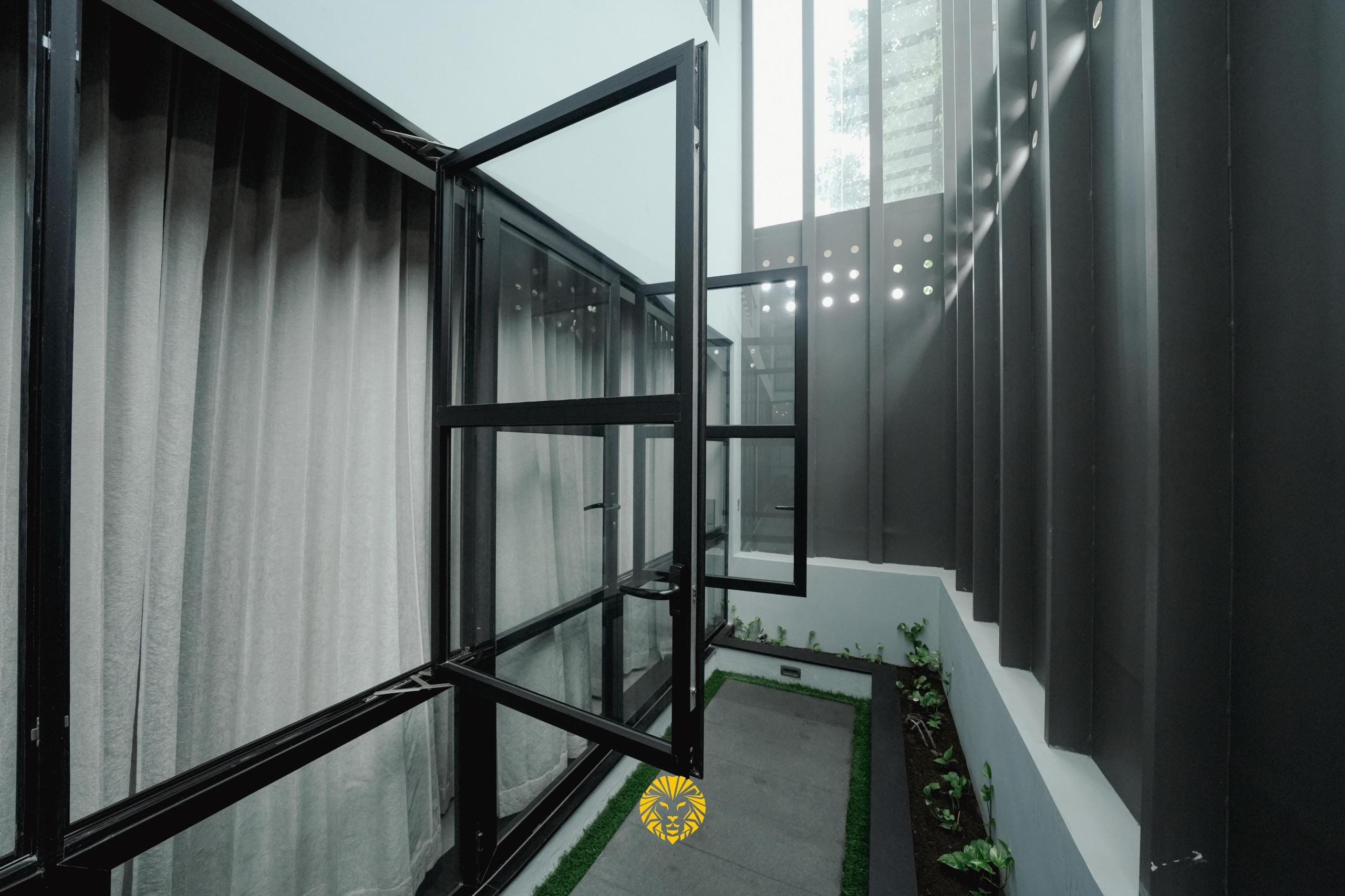
Aluminium Door

Understanding PVC Doors

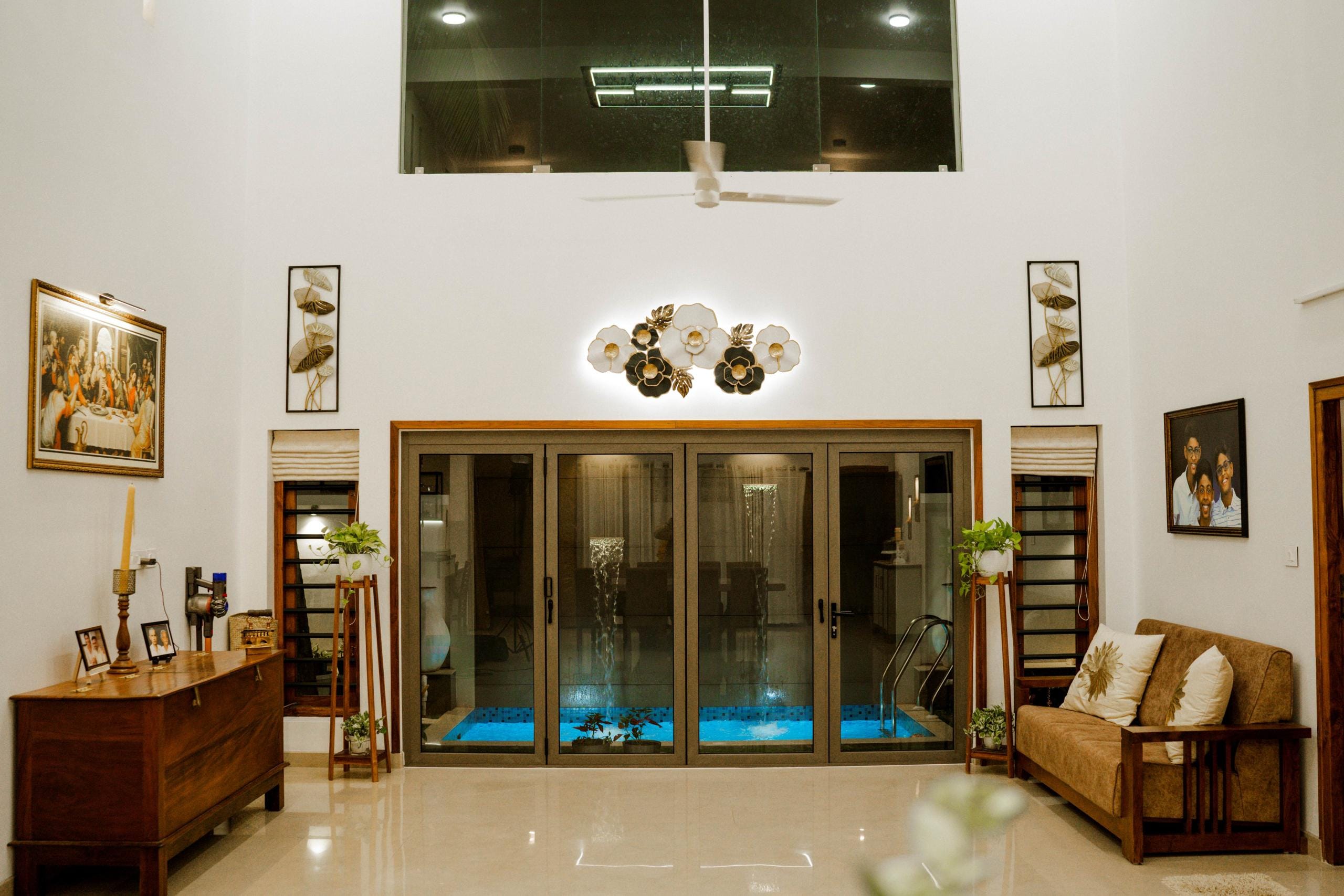
PVC doors are manufactured using a durable plastic-based material. They are widely used in homes, apartments, and offices, mainly because they are affordable and easy to maintain.

The main reasons PVC doors are chosen is their lightweight nature. They are easy to open and close, which makes them suitable for daily use. Since PVC does not rust or corrode, it performs well in moisture-prone areas such as kitchens, bathrooms, and utility spaces.

Another benefit of PVC doors is insulation. The material helps maintain indoor temperatures by reducing heat transfer. This can make living spaces more comfortable during both hot and cold seasons. PVC also offers basic sound insulation, which can help reduce everyday noise.

Maintenance is simple. PVC doors do not require painting or polishing. Regular cleaning with a cloth is usually enough, making them ideal for those who prefer low-maintenance solutions.

However, PVC does have limitations. It is not as strong as metal and may lose rigidity over time, especially when exposed to prolonged sunlight. Design options are also more limited compared to aluminium.

Understanding Aluminium Doors

Aluminium doors are widely recognised for their strength and modern appearance. They are commonly used in contemporary homes, offices, and commercial buildings where durability and design are priorities.

One of the biggest advantages of aluminium is its structural strength. It does not warp, crack, or swell easily, even under changing weather conditions. This makes aluminium doors suitable for both indoor and outdoor use.

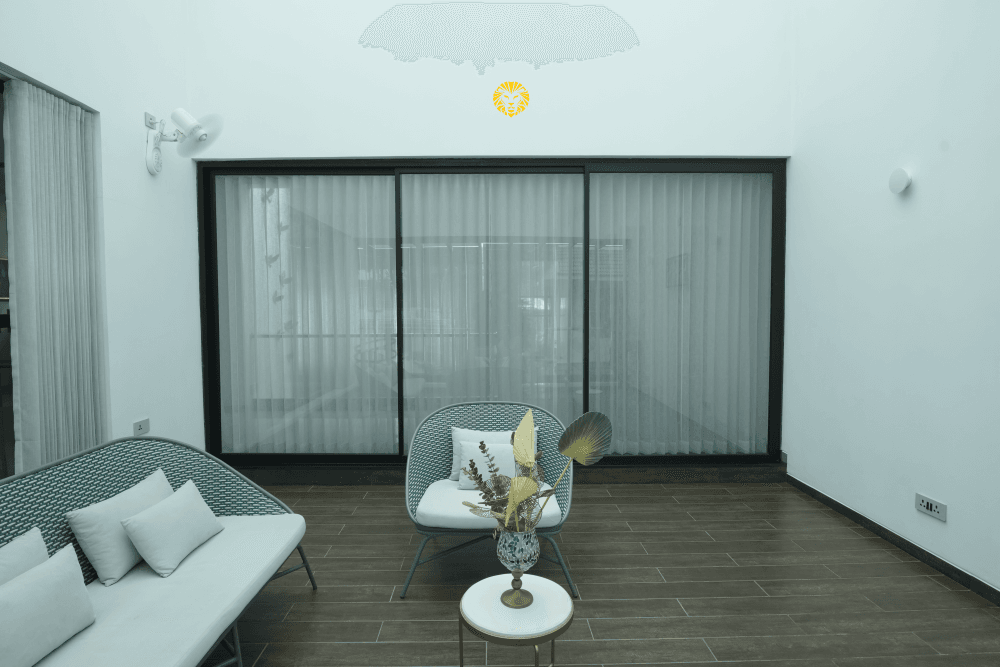
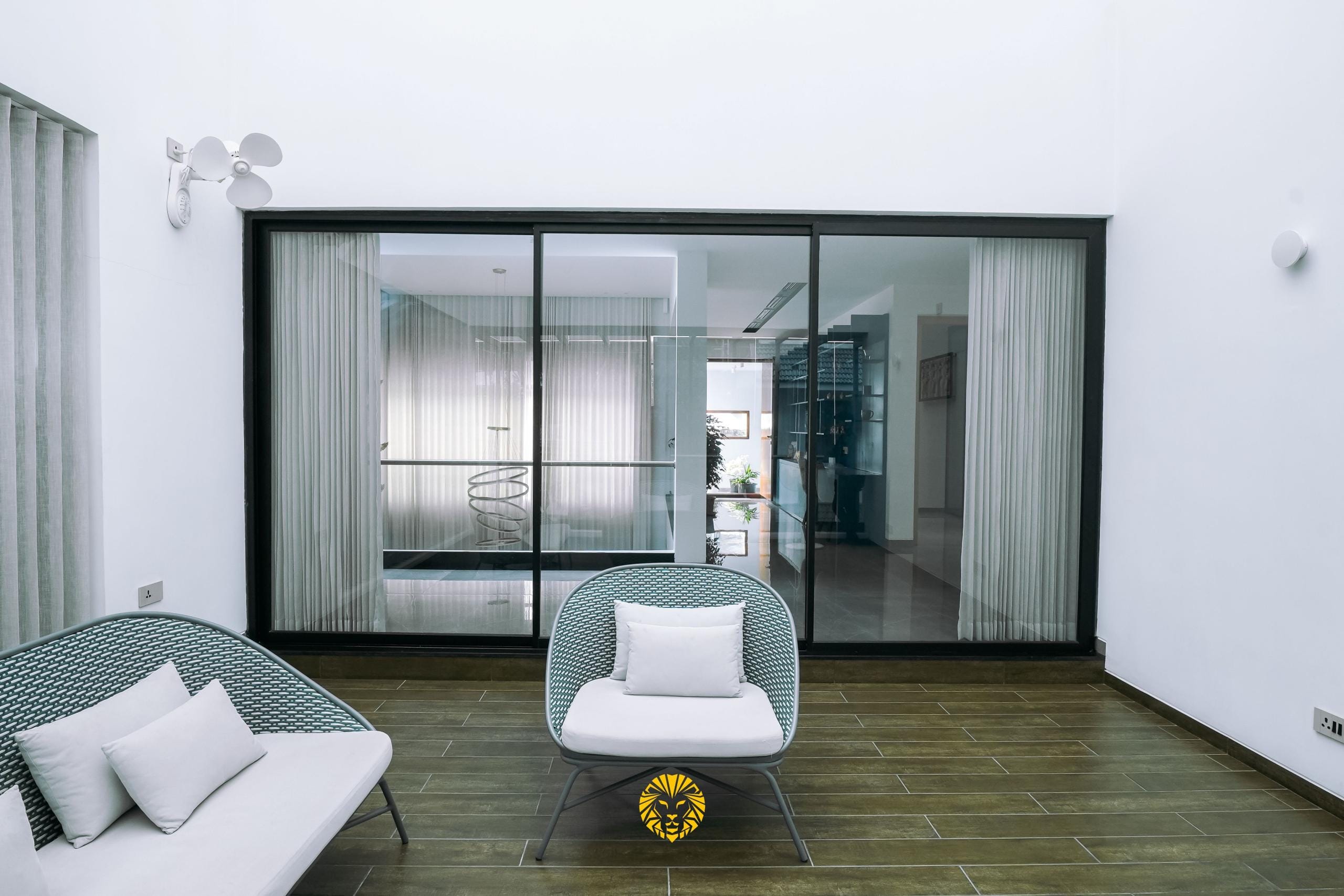
Aluminium doors can be designed with slimmer frames, allowing for larger glass panels. This increases natural light and creates an open, spacious feel. For this reason, aluminium is often used for balconies, patios, and large openings.

Security is another strong point. Aluminium doors are difficult to force open and provide better protection when fitted with quality locking systems.

In terms of drawbacks, aluminium doors usually cost more than PVC. They can also feel cold to the touch, although modern designs often include thermal breaks to improve insulation.
Design and Visual Appeal

When appearance matters, especially for main entrances or living areas, design plays a key role. PVC doors offer simple and practical designs. While functional, the range of colours and finishes is limited.

Aluminium doors offer greater flexibility in design. They suit modern and high-end interiors and are available in various finishes and colour options. Their ability to combine seamlessly with glass makes them a popular choice for modern architecture.

Cost and Overall Value

PVC doors are a budget-friendly option and work well where cost control is important. Aluminium doors involve a higher initial investment, but their durability, security, and lifespan often justify the expense over time.

Which Option Is Right for You?

The right choice depends on how the space is used. PVC doors are suitable for internal areas, bathrooms, and low-traffic spaces where affordability and ease of maintenance are priorities.

Aluminium doors are better suited for main entrances, large openings, or areas where strength, security, and design quality are essential. There is no universal answer, only what works best for your needs.

Conclusion

Both PVC and aluminium doors have a place in modern construction. The key lies in selecting a quality product and ensuring proper installation. High-quality systems are designed with a focus on performance, durability, and practical use across residential and commercial spaces.

Choosing the right door material depends on how the space is used and the level of performance required. Professional guidance can help achieve the right balance between design, durability, and budget.

Leave a comment

Your email address will not be published. Required fields are marked *