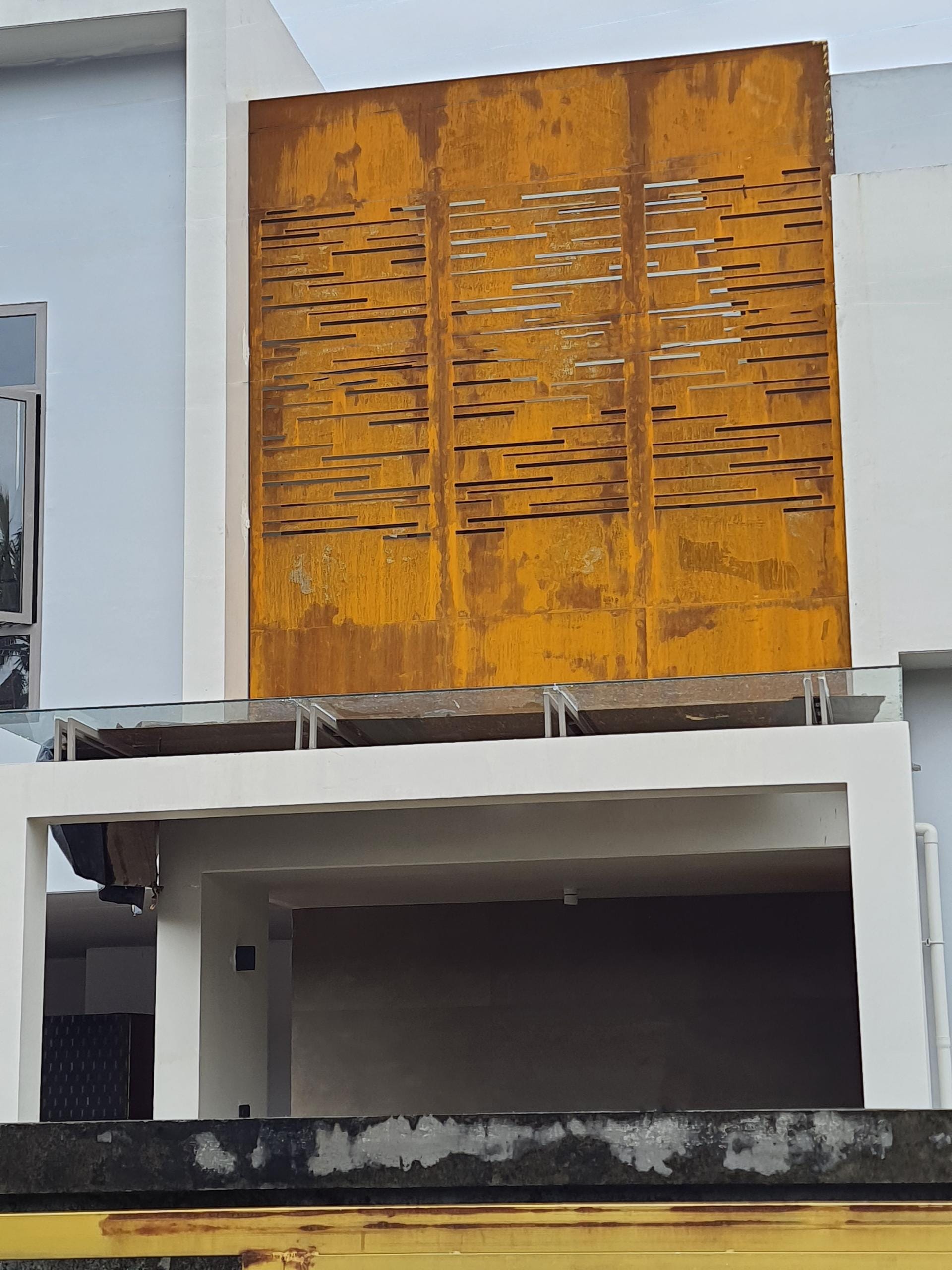
Metal Facade Panels for Commercial & Residential Buildings
Step through any growing business district in India and you will see how much attention is now given to the outside of a building. Glass, concrete and steel sit side by side, each chosen with an intent.
The façade is no longer treated as a surface to be finished at the end of construction. It is part of the design conversation from the start.
Within that shift, metal facade panels have found a clear place in both commercial and residential work.
Their growing use is not about fashion. It reflects practical decisions made around durability, climate response and long-term value.
Changing Expectations in Urban Design
Indian cities are growing quickly. With that growth comes competition, particularly in commercial developments.
An office tower in Kochi or Bengaluru must look credible and contemporary. A retail complex in Ahmedabad or Hyderabad needs to attract attention without appearing excessive.
Metal facade panels help achieve that balance. Clean edges, controlled detailing and consistent finishes create a disciplined appearance. That discipline matters. It suggests quality and planning rather than improvisation.
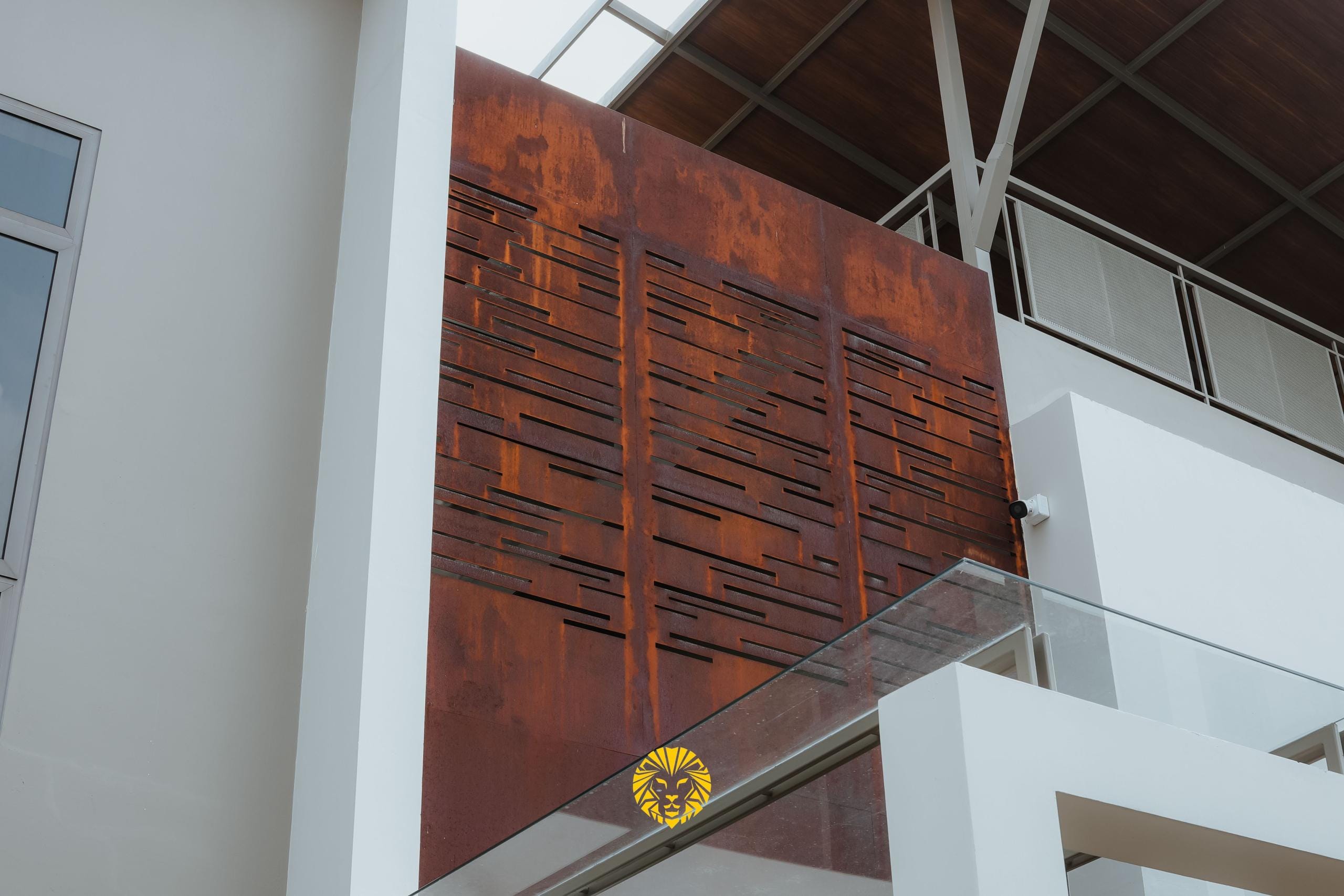
At the same time, metal is not visually rigid. Panels can be perforated to soften light. They can be powder coated in muted tones or bold corporate colours.
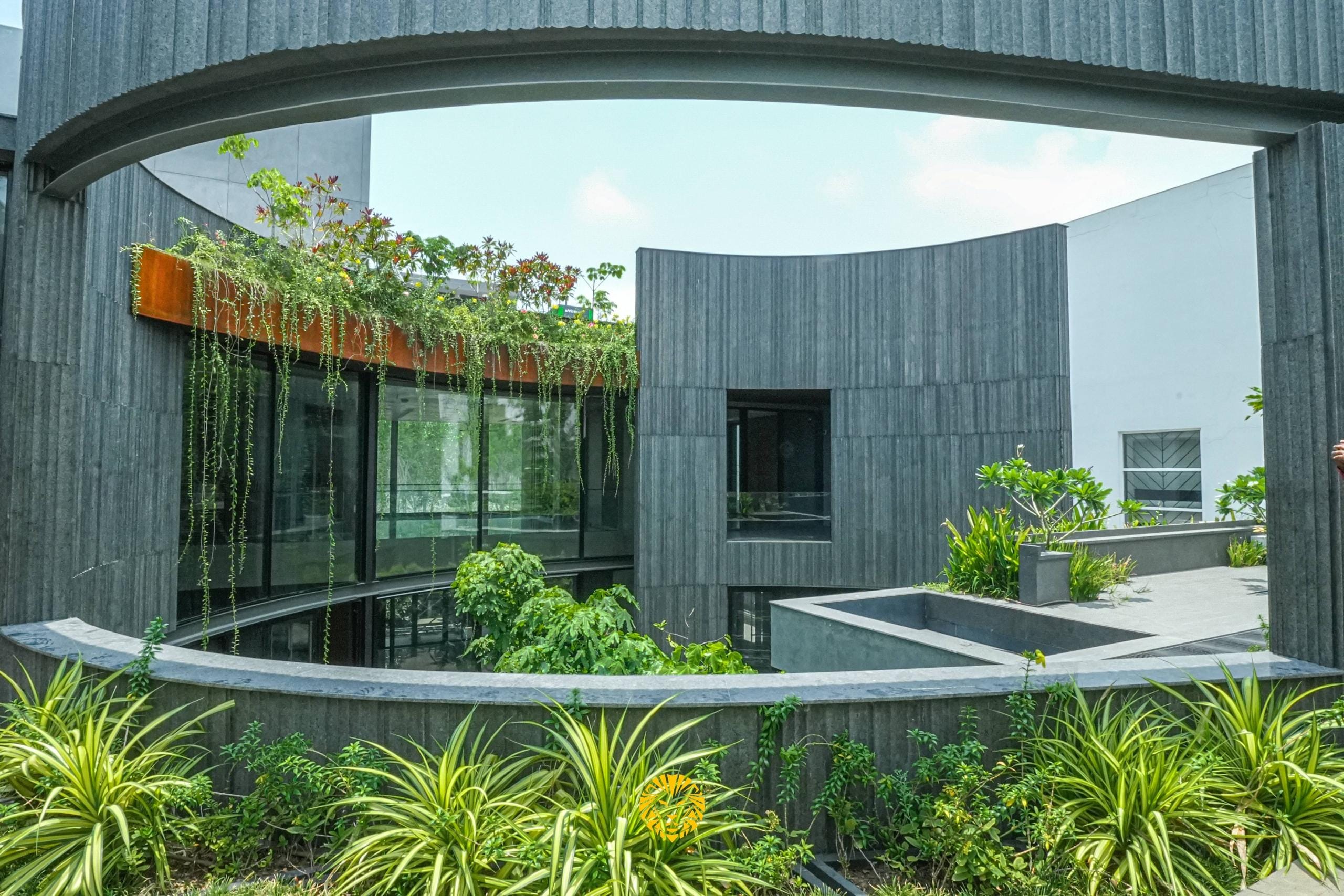
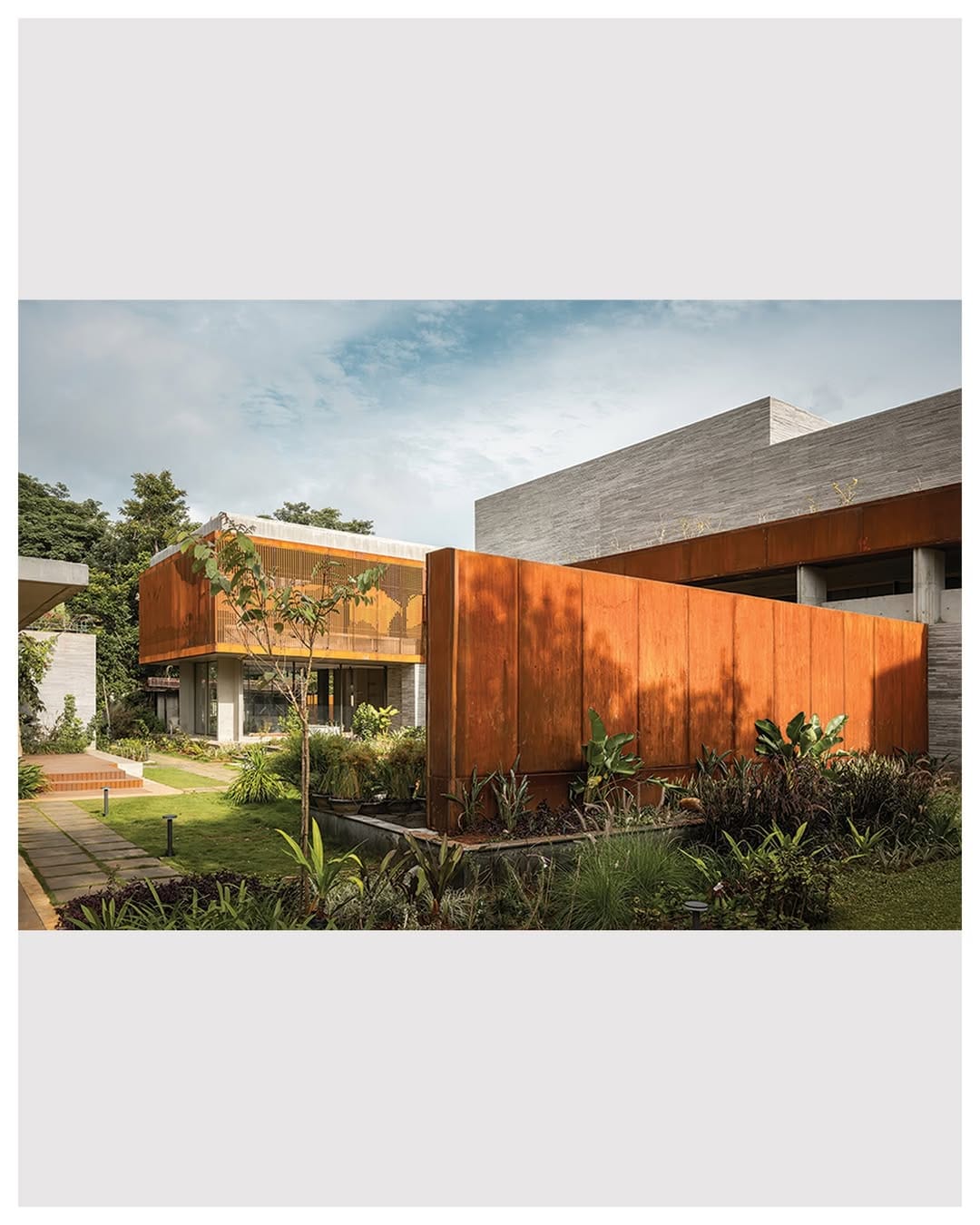
In residential projects, designers often use them to contrast exposed concrete or natural stone. The result feels intentional rather than decorative.
Designed for Indian Climate Conditions
Material choice in India is never purely aesthetic. Climate varies sharply across regions. Coastal air carries salt. Northern states face both extreme heat and winter chill. Monsoon rainfall can be relentless.
Under these conditions, reliability becomes essential. Properly-treated aluminium and coated steel resist corrosion far better than many traditional finishes. They do not absorb moisture.
They are not vulnerable to termites. They are less prone to surface cracking when minor structural movement occurs.
That resilience reduces the cycle of repair and repainting. For a commercial property, fewer maintenance interruptions protect business continuity.
For a housing society, it avoids repeated expense and disruption. Durability, in practical terms, protects both appearance and investment.
Managing Heat and Light
Energy use is a constant concern in warmer regions. Cooling systems run for long hours, particularly in offices and large residential complexes. Any façade solution that supports thermal performance becomes relevant.
Many metal facade panels are installed as part of ventilated cladding systems. A cavity sits between the outer panel and the main wall.
Air moves through that space, helping reduce heat transfer and moisture build-up. When paired with insulation, the overall building envelope performs more effectively.
Perforated metal screens also serve a purpose beyond design. They filter direct sunlight. That reduces glare inside offices and limits heat gain on exposed elevations.
In real terms, it can improve comfort while easing pressure on air-conditioning systems.
Commercial Developments and Brand Identity
In commercial architecture, appearance carries weight. A corporate headquarters must communicate stability.
A hotel façade should reflect its positioning. Even educational institutions increasingly consider visual identity.
Metal facade panels provide structure and clarity to these ambitions. Because panels are fabricated off-site, consistency across large elevations is easier to maintain. Alignment remains sharp. Detailing feels deliberate.
Lighting can be integrated subtly into panel systems, allowing a building to shift character after dark. None of this is excessive when handled carefully. Instead, it reinforces presence without relying on ornament.
Residential Use Beyond Industrial Aesthetics
Metal was once associated mainly with factories and warehouses. That perception has changed. High-end villas and urban apartment blocks now incorporate metal elements to create depth and contrast.
On a residential façade, panels might define balcony edges or screen service areas. They can introduce privacy without blocking airflow. In compact plots, where every square metre counts, such efficiency becomes valuable.
Maintenance is generally easier. Periodic cleaning is often sufficient to retain finish quality. In dusty or high-rainfall areas, that simplicity makes a difference over time.
Installation and Technical Care
Performance depends on execution. Panels are typically mounted on subframes that hold them securely while allowing for controlled expansion.
Temperature changes in many Indian cities are significant, so movement must be anticipated rather than ignored.
A Considered Choice for Contemporary Buildings
Choosing an exterior finish is not only a cosmetic exercise. Once the scaffolding comes down, that outer layer has to cope with heat, rain, dust and daily exposure.
It also influences how efficiently the building runs and how often it will need attention in the years ahead.
In many ways, cladding decisions made at the design stage quietly determine whether a property remains easy or difficult to manage.
Seen from that angle, metal facade panels make practical sense. They give a building a crisp, well-defined appearance, yet their value is not limited to looks.
When properly installed, they stand up to harsh sunlight, monsoon rain and urban pollution with minimal deterioration.
Conclusion
Every project involves compromise between cost, durability and design intent. The aim is to ensure the building continues to function and look appropriate over time.
For many commercial and residential schemes, metal offers that steady balance. With careful detailing and competent installation, it supports both immediate architectural clarity and dependable long-term performance.

Leave a comment