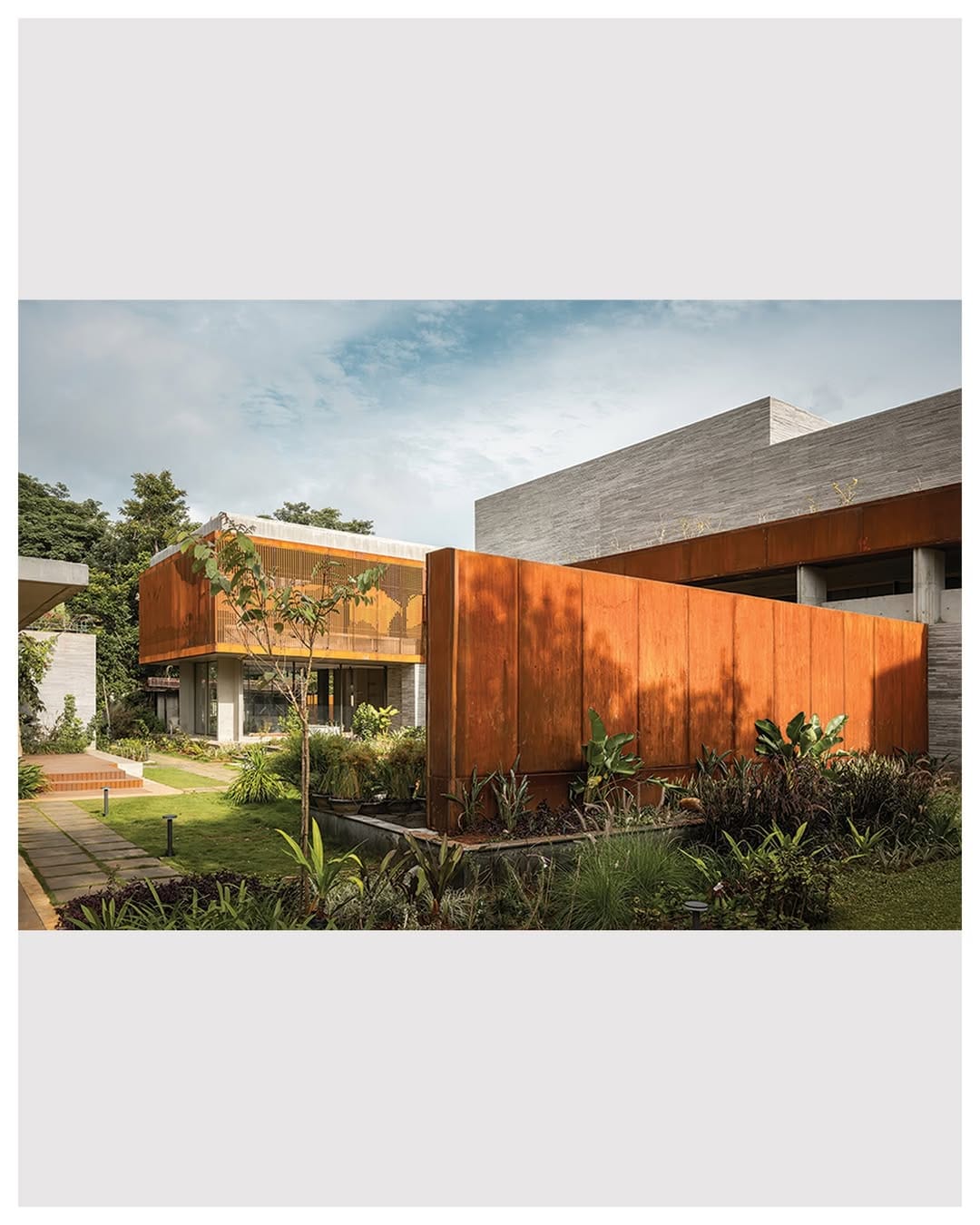
Everything You Need to Know About Metal Façade Cladding Systems
Earlier, most buildings followed the same formula. Concrete walls. Flat paint. Glass panels here and there. Functional, yes. Memorable, not really. That has changed.
Now the exterior matters just as much as the inside. Sometimes more. The first thing people notice about a hotel, office, showroom, or home is the outside finish. Before they step through the door, they have already formed an opinion.
That shift is exactly why Metal Façade Cladding has become such a big part of modern architecture. It changes the entire feel of a building without making the design look forced or overdone.
Some projects use it in a subtle way. Others build their whole identity around it.
Either way, the material does a lot more than simply make a structure look modern.
So, What Does Cladding Actually Do?
Most people think façade cladding is decorative. Fair assumption. The visual impact is usually the first thing that stands out. But the real job happens quietly in the background.
The outer layer acts as protection for the main structure underneath. Rain hits the cladding first. Harsh sunlight does too. Dust, moisture, pollution, temperature changes, all of it reaches the façade before touching the building itself.
Over time, that extra shield helps reduce surface damage and slows down wear on the actual walls.
That matters more than people realise, especially in cities where buildings deal with constant heat and changing weather conditions.
Why Architects Lean Towards Metal
Some materials start creating limitations after a point. The stone looks beautiful but adds weight. Painted surfaces fade faster than expected. Wood needs regular maintenance. Concrete can feel too plain if not handled properly.
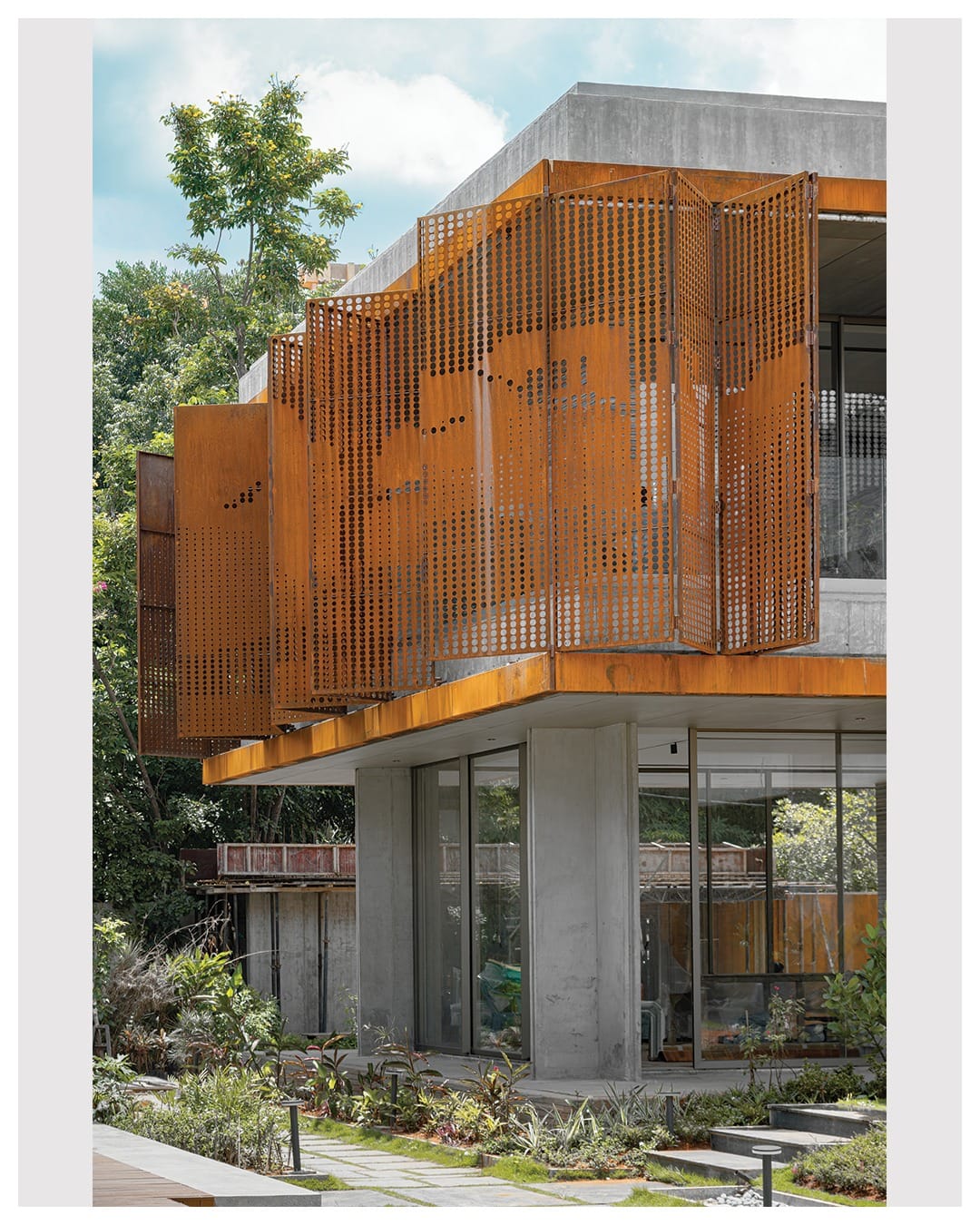
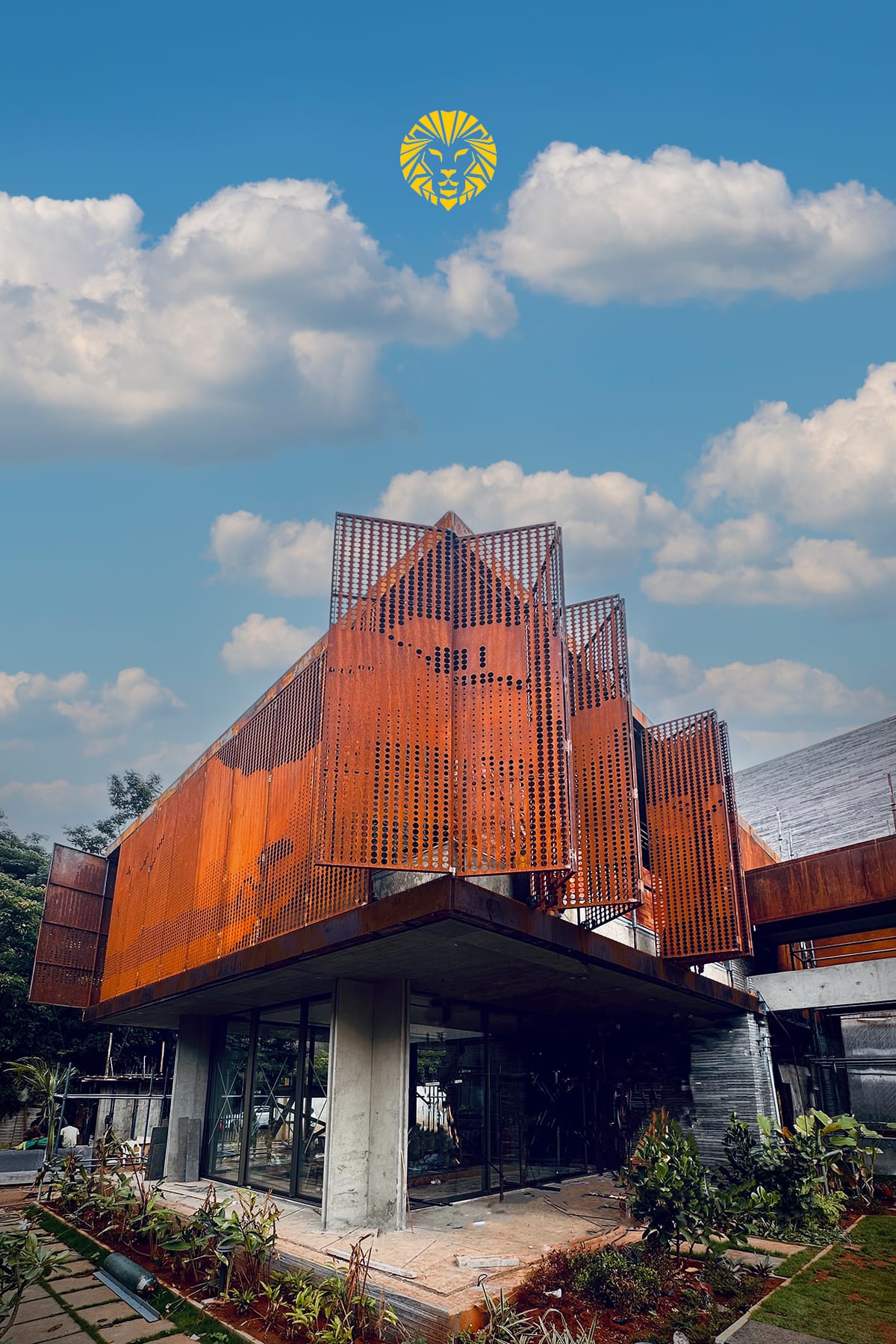
Metal gives designers more room to experiment. Panels can be folded, curved, perforated, textured, brushed, or cut into custom patterns depending on the design direction.
One architect may want a smooth and minimal finish. Another may prefer something industrial and raw. Metal handles both surprisingly well.
That flexibility is one reason Metal Façade Cladding works across completely different projects without feeling repetitive. A luxury residence can use it. So can a commercial tower. Neither ends up looking the same.
Frameless Glass Enclosures
Some bathrooms feel bigger the moment you step in. No clutter. No heavy lines breaking the view.
That’s usually the effect of a frameless enclosure. With clear, toughened glass and almost no visible hardware, the space feels open. Light moves freely across the room, which matters more than people expect, especially in compact layouts.
They do need a bit of upkeep. Water marks can show if left unattended. Still, a quick wipe now and then keeps things looking sharp. If the goal is a clean, modern finish, this type of Bathroom Shower Enclosure Design fits naturally without trying too hard.
Not Every Metal Creates the Same Mood
Aluminium Keeps Things Sharp and Clean
Aluminium is everywhere for a reason. It is lightweight, durable, and easier to work with on large projects. It also handles moisture well, which makes it practical for exterior use over long periods.
Visually, it suits contemporary architecture naturally. Clean lines. Smooth finish. No unnecessary heaviness.
Corten Steel Feels More Raw
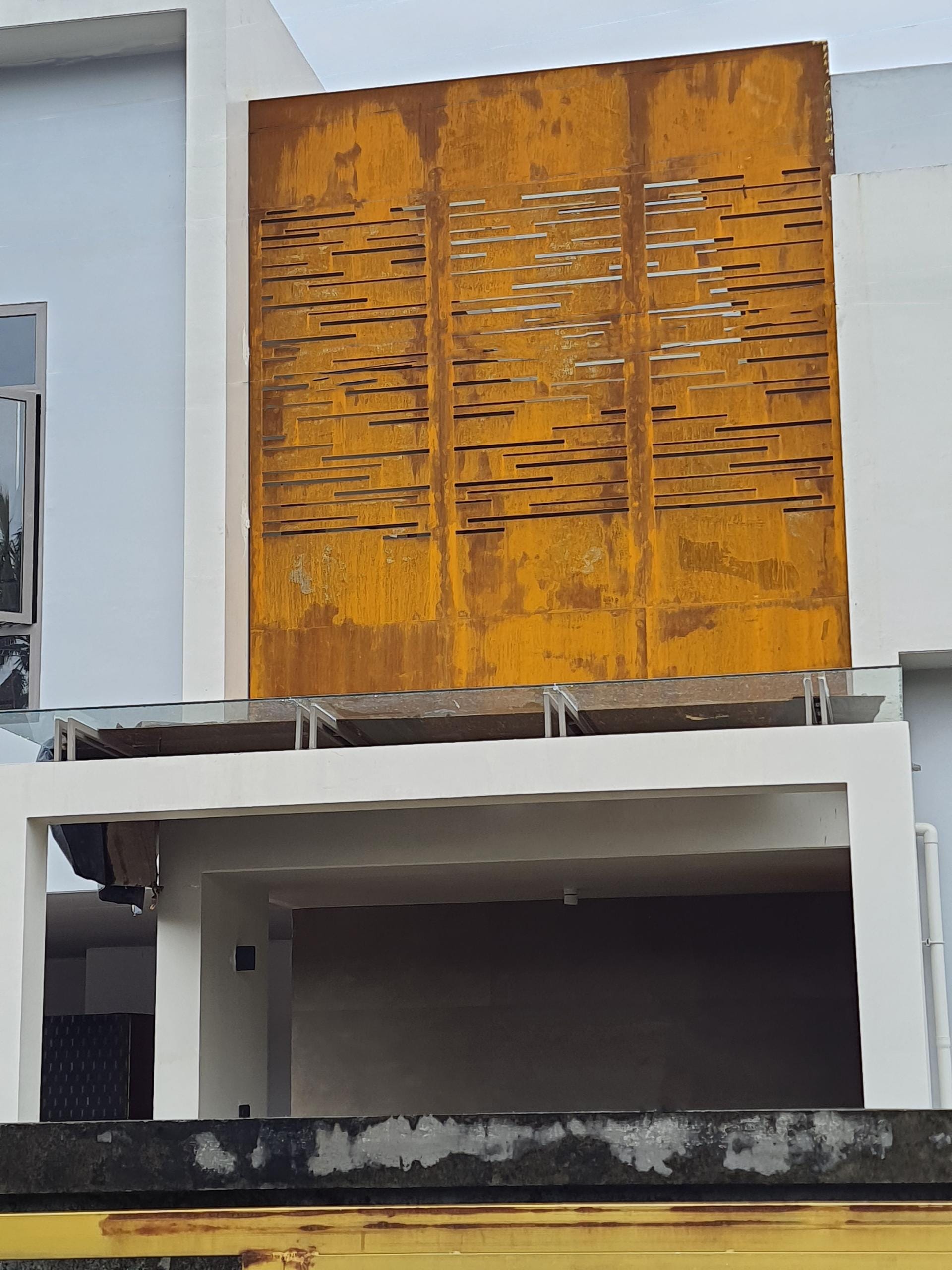
Corten steel goes in the opposite direction. Instead of staying polished, it develops a weathered surface over time. That rust-like finish is intentional. Done right, it adds character rather than looking worn out.
Copper and Brass Age Differently
Copper and brass bring warmth into modern architecture. They also change gradually over time. The surface darkens, softens, and develops texture naturally. That evolving finish gives the building a more lived-in appearance instead of something that feels overly manufactured.
The Installation Side Gets Ignored Too Often
People spend weeks choosing materials and finishes. Then the installation gets rushed.
That usually ends badly. Even expensive panels can look poor when spacing is uneven or support systems are weak.
Water starts finding its way behind the façade. Panels shift slightly. Lines stop looking clean after a few seasons.
Good cladding work depends heavily on planning. Drainage needs attention. Expansion gaps matter because metal expands and contracts with temperature changes. Airflow behind the panels matters too.
Though not glamorous, the details determine whether or not the face remains attractive ten years later.
This is why it matters to have experienced companies to handle the cladding work. Hekur India works on both the aesthetics and the technical aspects of architectural metalwork in a seamless manner.
It Helps Buildings Perform Better Too
The advantages aren't just cosmetic. If properly designed, a Metal Façade Cladding can also improve the thermal performance. Ventilated systems provide air space between the outer panels and the building to help minimize direct heat accumulation on the walls.
This can help with maintaining room temperatures better, especially during the warmer months of the year. It won't magically fix your energy bills, as such. Some small building envelope enhancements over time can have a significant impact.
Choosing the Right System Takes More Thought Than People Expect
Not every façade system suits every project. A coastal property faces different conditions compared to a commercial building in a dry urban area. Some projects need lightweight materials because of structural limitations. Others prioritise texture, detailing, or long-term colour consistency.
Budget matters too, although going cheap on exterior systems usually becomes expensive later.
Maintenance costs creep in. Repairs appear earlier. The finish starts ageing badly. A façade should work for the building, not just for the images shown during presentations.
Conclusion
Buildings today are expected to do more. They need to look good, handle weather properly, stay durable, and still feel relevant years later.
That is exactly why Metal Façade Cladding continues to grow across modern architecture.
When the material selection, fabrication, and installation are handled properly, the result feels natural. Strong visual impact without trying too hard. Better protection. Longer-lasting performance.
As a leading architectural metal solutions provider, Hekur India continues to offer various architectural metal applications including customised façade, feature surface and engineered metal detailing for your property.
Frequently Asked Questions
What is metal façade cladding used for?
It keeps a building protected from the exterior, and at the same time enhances the aesthetics and durability of the structure.
Does metal cladding need regular maintenance?
Maintenance is typically reduced as compared with painted exterior surfaces. Cleaning and inspection is usually sufficient on an occasional basis.
Is metal façade cladding suitable for homes?
Yes. It is frequently used in modern residential developments, where its clean finish and durability are appreciated
Which metal is commonly used in façade systems?
Aluminium is used widely because of its lightness, durability and corrosion resistance.

Leave a comment