Best Aluminium Windows for Coastal Homes in India
Coastal living comes with a particular kind of beauty – sea breezes, open horizons, and light that feels different from anywhere else. But those same conditions are genuinely hard on a building. Salt air, persistent humidity, and the occasional cyclone demand materials that can take a beating year after year without falling apart. Windows, being the largest interface between the interior and the outdoors, bear the brunt of all of it.
Why Coastal Homes Need a Different Approach to Windows
Most standard window systems are designed and tested for average Indian conditions - moderate humidity, seasonal rain, typical temperature swings. Coastal homes along the Kerala, Karnataka, Goa, Tamil Nadu, or Andhra coasts experience something quite different. The air itself carries fine salt particles that settle on surfaces over time, and the humidity rarely drops below levels that accelerate corrosion.
If the wrong window material or finish is used, the damage starts quietly - a bit of discolouration near the frame joints, a mechanism that stiffens slightly - and becomes expensive and structurally meaningful within a few years. This is not a theoretical risk; it is something that plays out in coastal homes across India every monsoon season.
●Salt Air Corrosion
Airborne salt settles on frames and hardware, accelerating oxidation in metals not built for coastal exposure.
●Constant Humidity
Coastal humidity stays high year-round, causing warping in wood and rust in untreated or poorly coated metals.
●Wind & Storm Load
Cyclone-prone coasts require windows that can withstand sustained wind pressure without flexing or leaking.
●Heat & UV Exposure
Intense coastal sun degrades low-quality finishes, causing fading, chalking, and frame degradation over time.
Why Aluminium is the Right Material for Coastal Windows
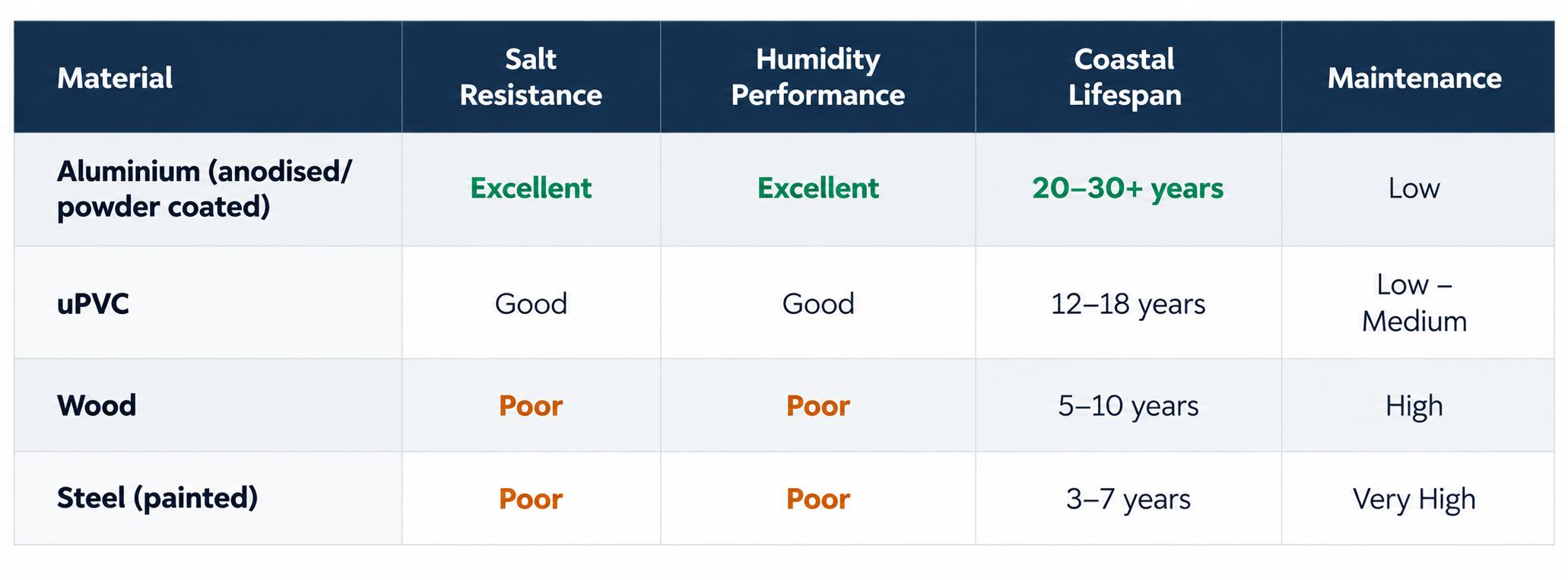
Among all window frame materials - wood, uPVC, steel, and aluminium - aluminium holds a clear advantage in coastal conditions when it is properly treated. Here is why:
Aluminium does not rust. When exposed to moisture, it naturally forms a thin oxide layer on its surface that actually protects it from further corrosion - unlike steel, which continues to corrode once the protective layer is breached. This matters enormously in coastal environments where moisture exposure is daily and unavoidable.
It is also dimensionally stable, meaning it does not swell, warp, or shrink with changes in humidity. A wooden window frame on a coastal Kerala home can swell shut in the monsoon and crack in the dry season. An aluminium frame, properly designed, behaves the same in January as it does in August.
Finally, aluminium supports slim profiles. This means larger glass panels, more light, better views of the sea or backwaters - which is often the whole point of a coastal home in the first place.
The Features That Make an Aluminium Window Truly Coastal-Ready
Not all aluminium windows are equal, even within the same material category. For coastal homes specifically, here are the features that separate a window that will last from one that will disappoint within a few monsoon seasons.
Marine-Grade Powder Coating or Anodising
The aluminium profile itself is corrosion-resistant, but the surface finish determines how well it survives prolonged salt exposure. Powder coating should be applied at a minimum thickness of 60 microns for coastal use. Anodising, which bonds the coating chemically rather than physically, offers superior long-term performance in harsh coastal environments. Ask your contractor specifically about the coating specification they use.
Thermal Break Profiles
Coastal regions in India - particularly Kerala and Goa - experience significant heat alongside humidity. Thermal break aluminium profiles have a non-conductive material inserted between the inner and outer aluminium sections, which reduces heat transfer and also helps prevent condensation on the interior surface. This improves comfort and reduces the moisture build-up that can damage walls and interiors over time.
Stainless Steel Hardware and Fittings
The aluminium frame may be corrosion-resistant, but the handles, hinges, locks, and friction stays are typically made from other metals. In a coastal environment, standard zinc die-cast or plated steel hardware corrodes and stiffens within two to three years. Insist on grade 316 stainless steel hardware throughout - it costs more initially but eliminates a significant maintenance problem in coastal homes.
Multi-Point Locking and Pressure-Sealed Frames
Coastal homes face real wind loads, particularly during the monsoon and in cyclone-prone areas along the east and west coasts. Windows should be tested for wind pressure resistance and fitted with multi-point locking systems that distribute stress across the full perimeter of the frame rather than at a single latch point. The frame-to-wall joint should also be properly sealed with an appropriate sealant to prevent water ingress during driven rain.
Double Glazing with Low-E or Tinted Glass
Single glass panes offer little resistance to coastal heat gain or noise from wind and waves. Double glazed units - two panes with an air or argon gap - significantly reduce heat transmission and improve acoustic comfort. Low-emissivity (Low-E) glass goes further by blocking infrared radiation while letting visible light through, which keeps interiors cooler without reducing the view. For homes facing the sea directly, this is worth the additional investment.
Slim-Profile and Floor-to-Ceiling Designs
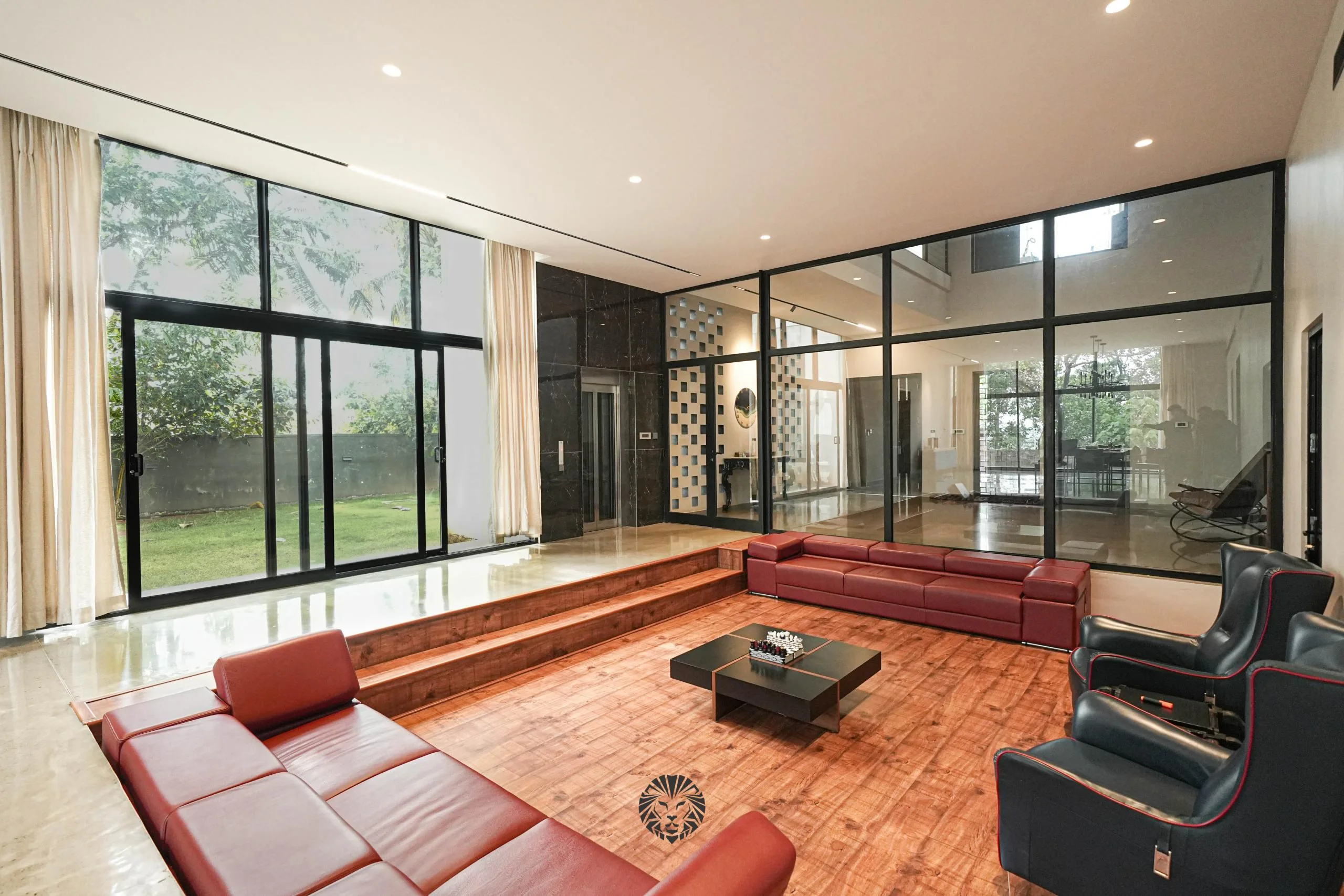
One of the main reasons to build or buy a coastal home is the view. The best aluminium window systems available today achieve frame widths as narrow as 20–25mm, meaning the glass dominates the opening rather than the frame. Floor-to-ceiling windows and sliding folding systems that open completely are worth exploring for living rooms and sea-facing terraces - they preserve the visual connection with the outdoors that makes a coastal home feel different from any other.
Best Window Styles for Coastal Homes
Beyond the technical specifications, the style of opening matters in a coastal setting. Different window systems suit different orientations and use cases.
• Sliding windows - ideal for sea-facing walls where outward-opening sashes would catch wind. Easy to operate, allow good ventilation, and can span wide openings with minimal obstruction.
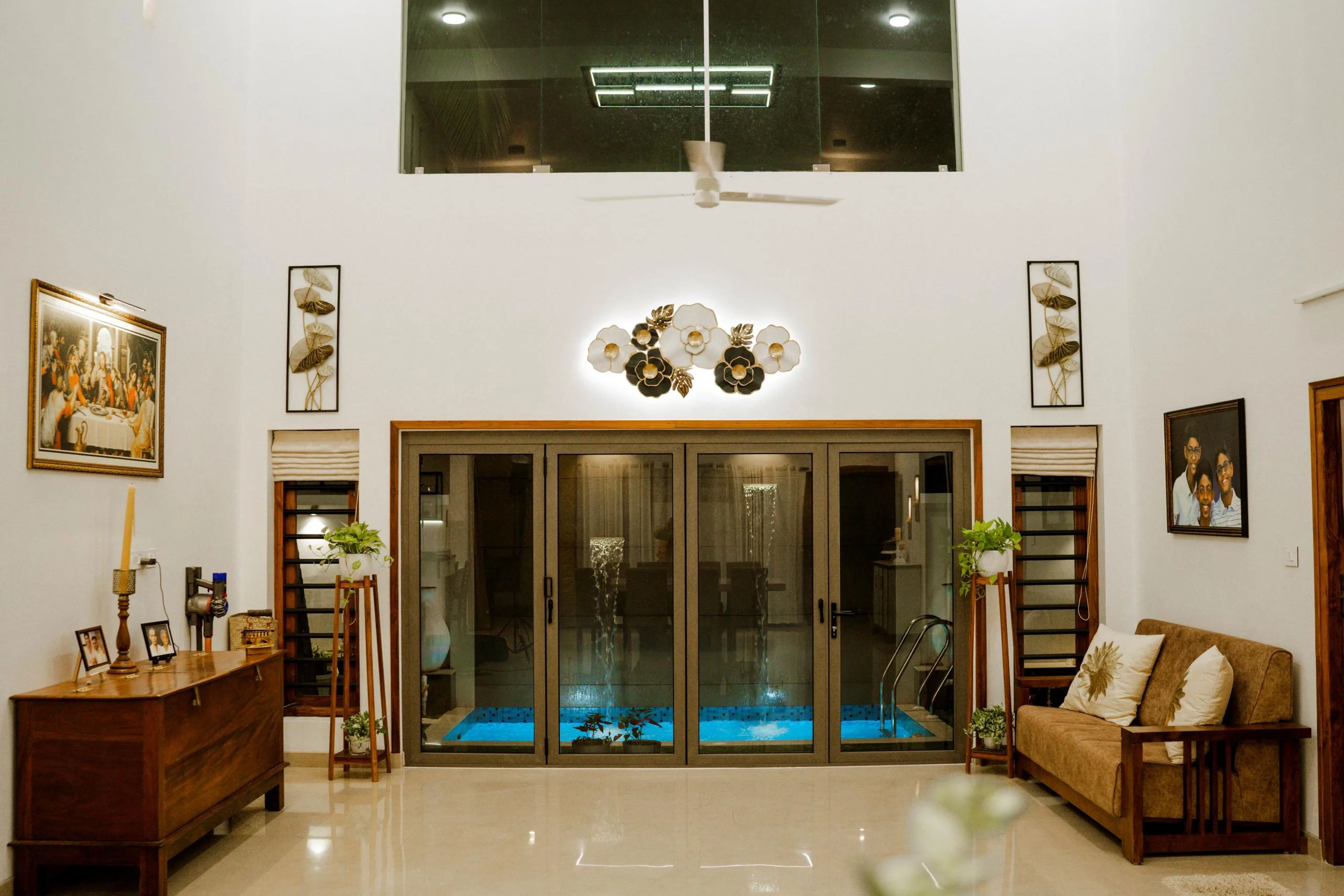
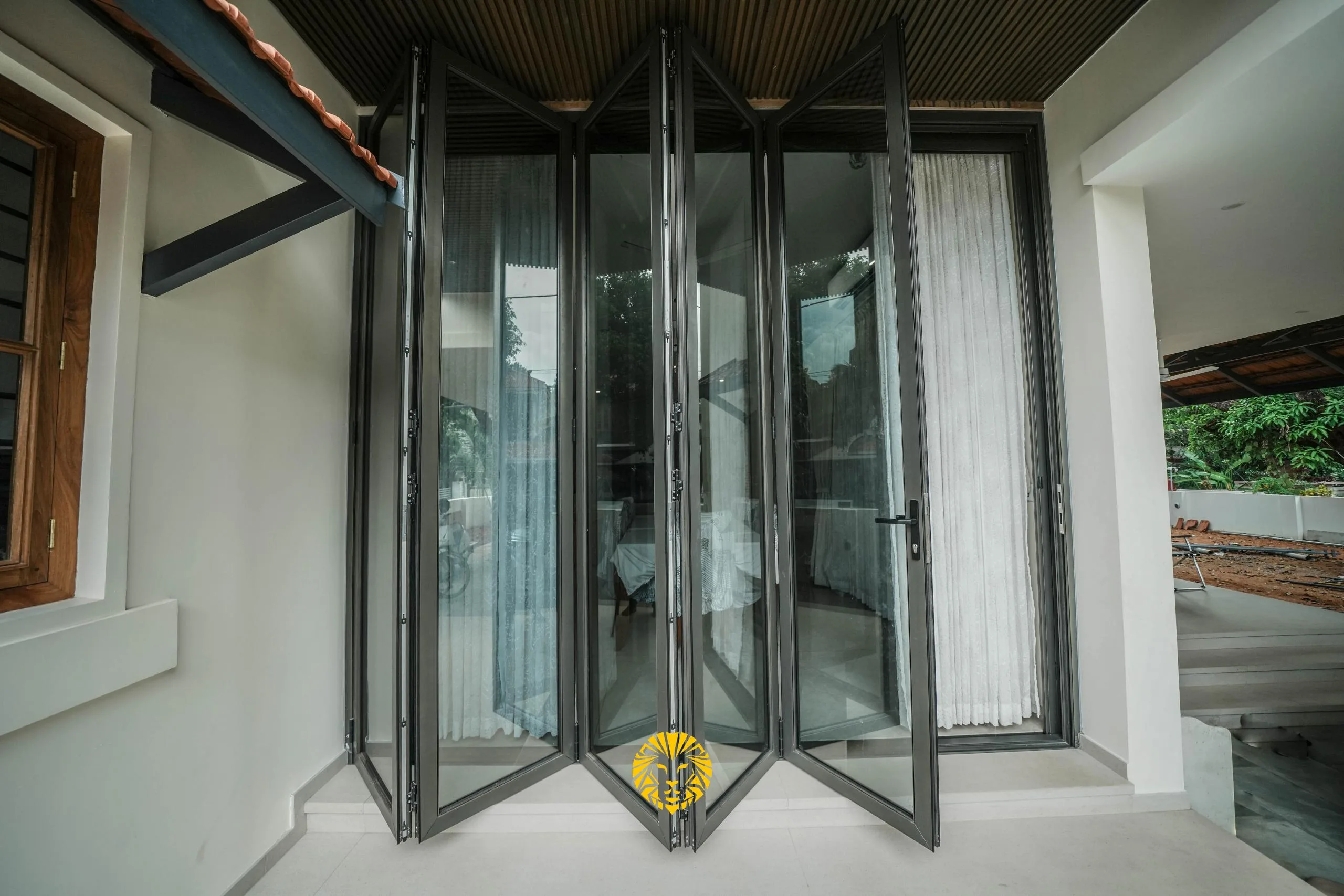
• Sliding folding systems (bi-fold doors and windows) - excellent for balconies and verandahs that face the water. They collapse fully to one side, removing the barrier between inside and outside entirely when the weather allows.
• Tilt and turn windows - offer the option to tilt inward at the top for ventilation without letting rain in, or open fully inward for cleaning and maximum airflow on calmer days. Useful in rooms where privacy or rain protection matters.
• Fixed glazing - for large, uninterrupted sea views where ventilation is handled elsewhere. Structurally the simplest and most robust option, and the least likely to develop operational issues over time.
• Casement windows - work well on side walls and in bedrooms. Can be designed to channel prevailing sea breezes into the interior when oriented correctly. Avoid on walls that face directly into strong winds.
Common Mistakes in Coastal Window Selection
These are the errors that come up repeatedly when coastal homeowners in India look back on window choices they regret.
• Choosing on price alone. Coastal homes get harder use than inland homes. A lower-cost window that works adequately in Bengaluru may show rust and operational failure within two years in a Kochi waterfront apartment.
• Ignoring hardware quality. Homeowners often focus on the frame and glass while overlooking the handles, hinges, and locking mechanisms. Poor hardware is the first thing to fail in a coastal environment and can render a perfectly good window non-functional.
• Skipping the sealing and installation detail. Even the best window performs poorly if the joint between the frame and the wall is not properly sealed. Water ingress around the frame causes structural damage that is far more expensive to fix than a proper installation would have been.
• Not planning for maintenance access. Coastal windows need periodic cleaning - particularly of glass and drainage channels that collect salt deposits. Some window systems are difficult to access from inside for cleaning, which leads to neglect and accelerated weathering.
• Using standard coating specifications for a coastal project. Always ask your contractor or fabricator to confirm the coating standard they apply. "Powder coated" is not specific enough - the thickness, application method, and whether a primer layer is used all affect the coating's durability in salt air.
A Note on Customisation
Coastal homes are rarely standard - unusual room proportions, non-rectangular openings, site-specific wind directions, and architectural preferences all vary. The best aluminium window systems for coastal use are those that can be fabricated to exact dimensions and specifications rather than fit from a catalogue of standard sizes. A contractor who works with customised profiles can tailor the frame depth, glass thickness, drainage configuration, and finish to your specific situation rather than asking you to adapt your design to their standard product.
Design Options Worth Considering
Aluminium windows in coastal environments are low maintenance - but not zero maintenance. A small amount of regular attention significantly extends their life and keeps them looking good.
• Wipe down frames with a damp cloth and mild soapy water every month to remove salt deposits before they accumulate and create abrasion or staining.
• Clean drainage channels and weep holes every three months - these prevent water from pooling in the frame profile, which is the main cause of long-term corrosion in poorly maintained coastal windows.
• Lubricate stainless steel hardware with a silicone-based lubricant once or twice a year. Avoid oil-based lubricants as they attract dust and salt particles that cause premature wear.
• Inspect rubber gaskets and seals annually. Coastal UV and ozone exposure degrades rubber seals faster than in inland locations. Replace them when they show signs of cracking or shrinkage to maintain weather tightness.
• Check the sealant at the junction between the window frame and the surrounding wall structure after each monsoon season. Reapply with a weather-resistant silicone sealant if any gaps or cracking are visible.
If you are in a cyclone-prone coastal area - Andhra Pradesh coast, Odisha, parts of Tamil Nadu and Kerala - it is worth asking your window contractor specifically about wind load ratings. Windows can be engineered and tested to withstand specific pressure levels. This is not a standard conversation in most Indian window purchases, but it is one worth having if your home faces significant exposure.
What to Ask When Choosing a Coastal Window Contractor
Once you know what you need, the remaining challenge is finding a contractor who can actually deliver it. These are the questions worth asking before committing to anyone:
• Have you completed projects in coastal locations in Kerala or similar environments? Can you show me those projects and connect me with those clients?
• What coating specification do you use for coastal projects - what is the minimum micron thickness and do you apply a primer layer before the top coat?
• What hardware brand and grade do you specify for coastal use? Can I see a sample with the actual hardware installed?
• Is the fabrication done in your own workshop or outsourced? Who does the installation, and do they have experience working on coastal sites?
• What warranty do you offer, and does it specifically cover performance in coastal conditions?
Hekur India specialises in custom aluminium windows and doors - sleek, slim-profile systems designed for real Indian conditions, with projects across Kerala and Karnataka, including coastal environments.
Leave a comment