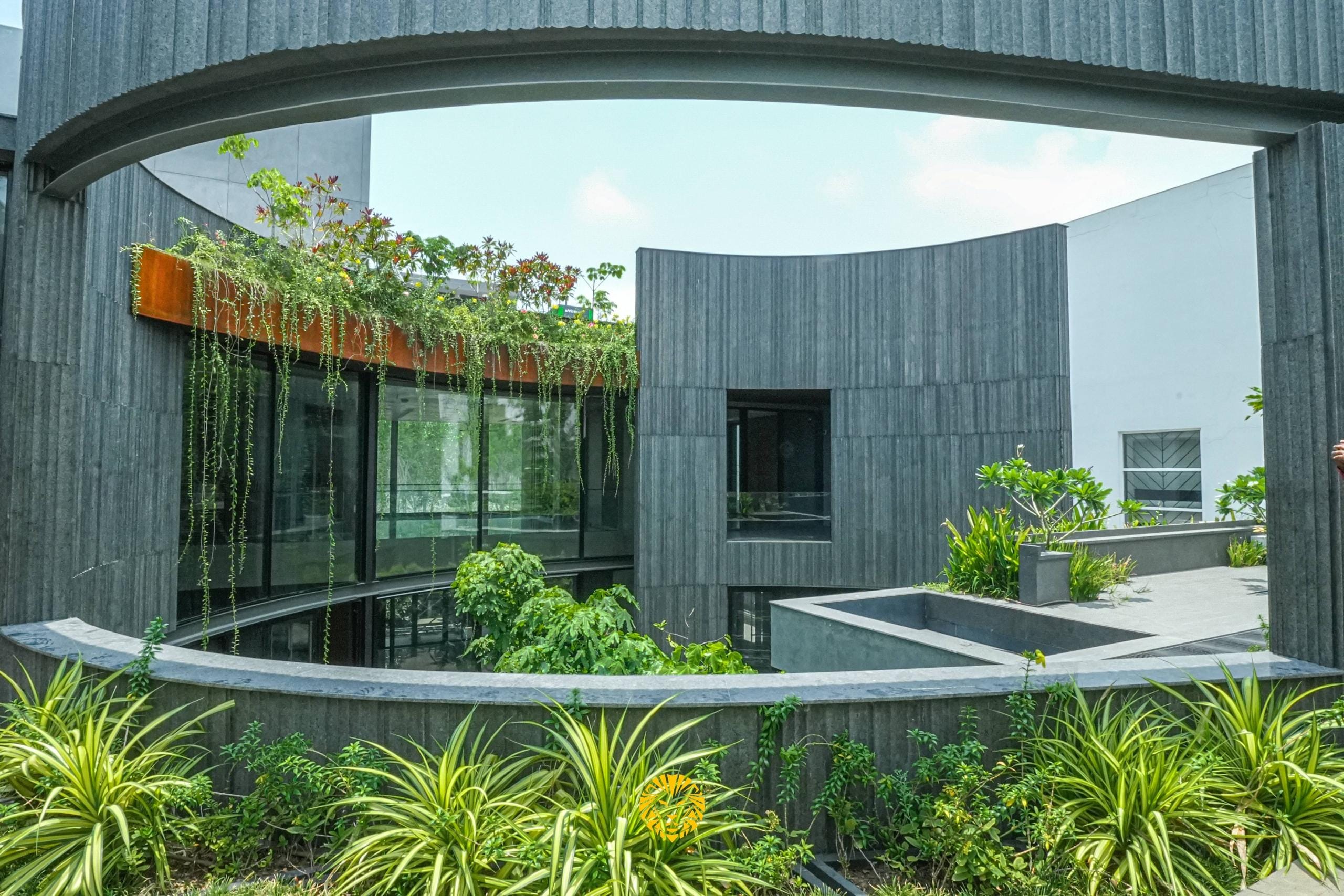
Top Corten Steel Siding Panel Designs for Residential Homes
Not every home needs to shout for attention. Some simply hold it.
Corten steel does that quietly. At first glance it looks industrial, almost raw. Look again and there is warmth in it. Depth. A surface that shifts with rain and light rather than sitting flat and painted.
That slow change is exactly why more homeowners are turning to Corten Steel Siding Panels when they want something that feels solid and considered.
It is more than a decorative add-on. It becomes part of the building’s character. In this blog, let’s explore the best corten steel siding panel designs that you can pick for your place.
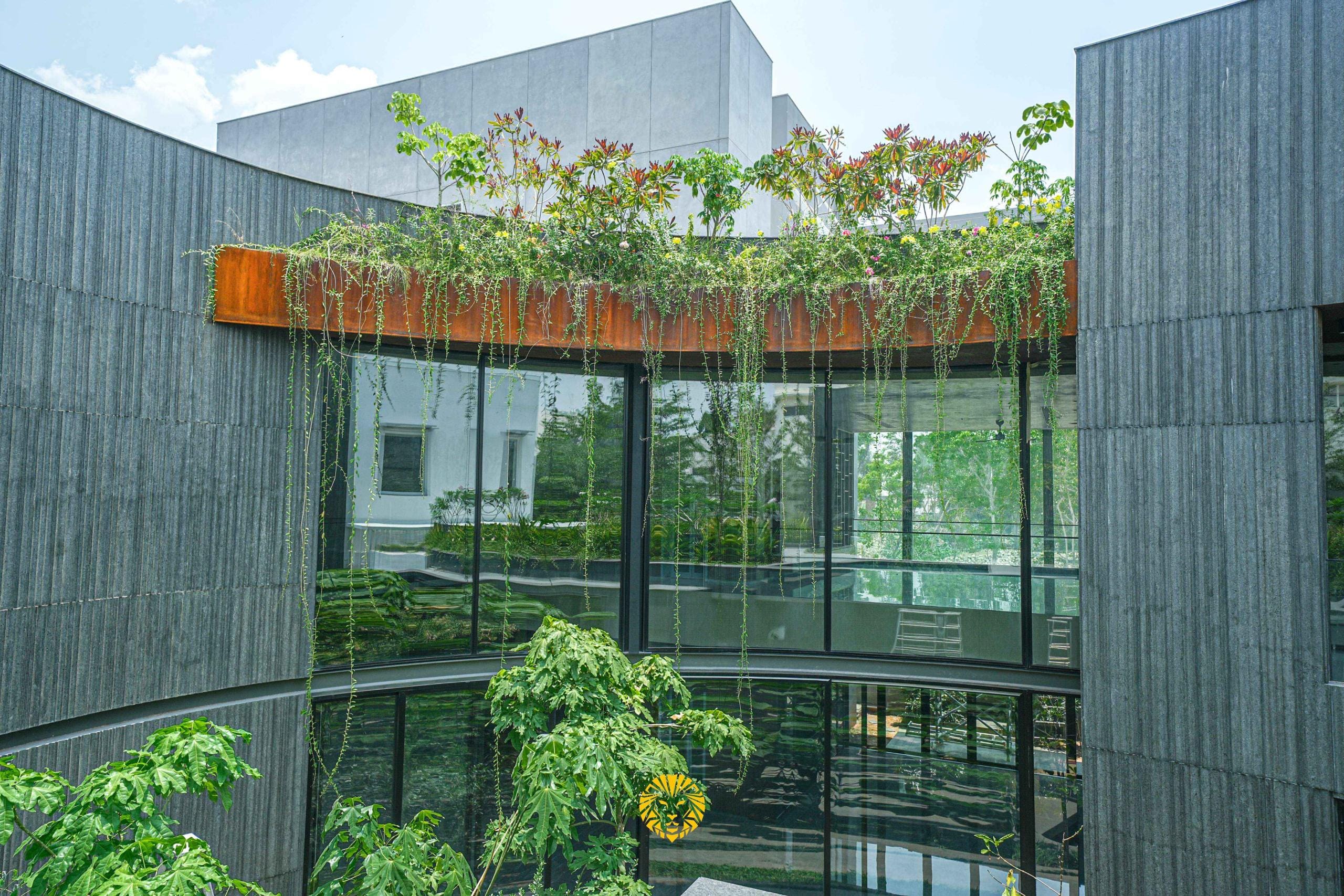
Vertical Panels That Sharpen the Elevation
When panels run from ground to roof, the building instantly feels taller. The lines guide the eye upward without needing dramatic design gestures.
On narrow plots or compact townhouses, this can make a real difference. The façade gains structure. It feels organised rather than busy.
There is a practical side too. Water drains naturally down vertical seams, which helps the surface weather evenly. Over time, the patina develops with fewer irregular marks. The finish looks intentional, not accidental.
Set against pale render or large panes of glass, vertical Corten Steel Siding Panels introduce warmth without softening the overall design.
Framed Sections Instead of Full Coverage
Covering every external wall in steel can feel heavy. In many cases, using it selectively creates a stronger result.
A rear extension wrapped in corten can clearly distinguish old from new. An entrance framed in steel gives definition without overwhelming the property.
Even a first-floor box clad in corten can add depth to an otherwise simple shape.
Contrast does most of the work here. Brick next to steel. Timber against weathered metal. The difference in texture draws attention to both materials. Nothing feels flat.
Corten Steel Siding Panels used in this way become a feature rather than a blanket.
Horizontal Layouts for Low, Wide Homes
In raw settings, horizontal panels often sit more comfortably within the landscape. Long lines echo building design without copying them outright.
This orientation makes a house feel grounded. It stretches the façade visually, which suits single-storey or wide-plan homes.
As the steel darkens over time, it begins to mirror natural tones found in soil, tree trunks and boundary walls. The building settles into its surroundings rather than standing apart from them.
Perforated Panels for Light and Privacy
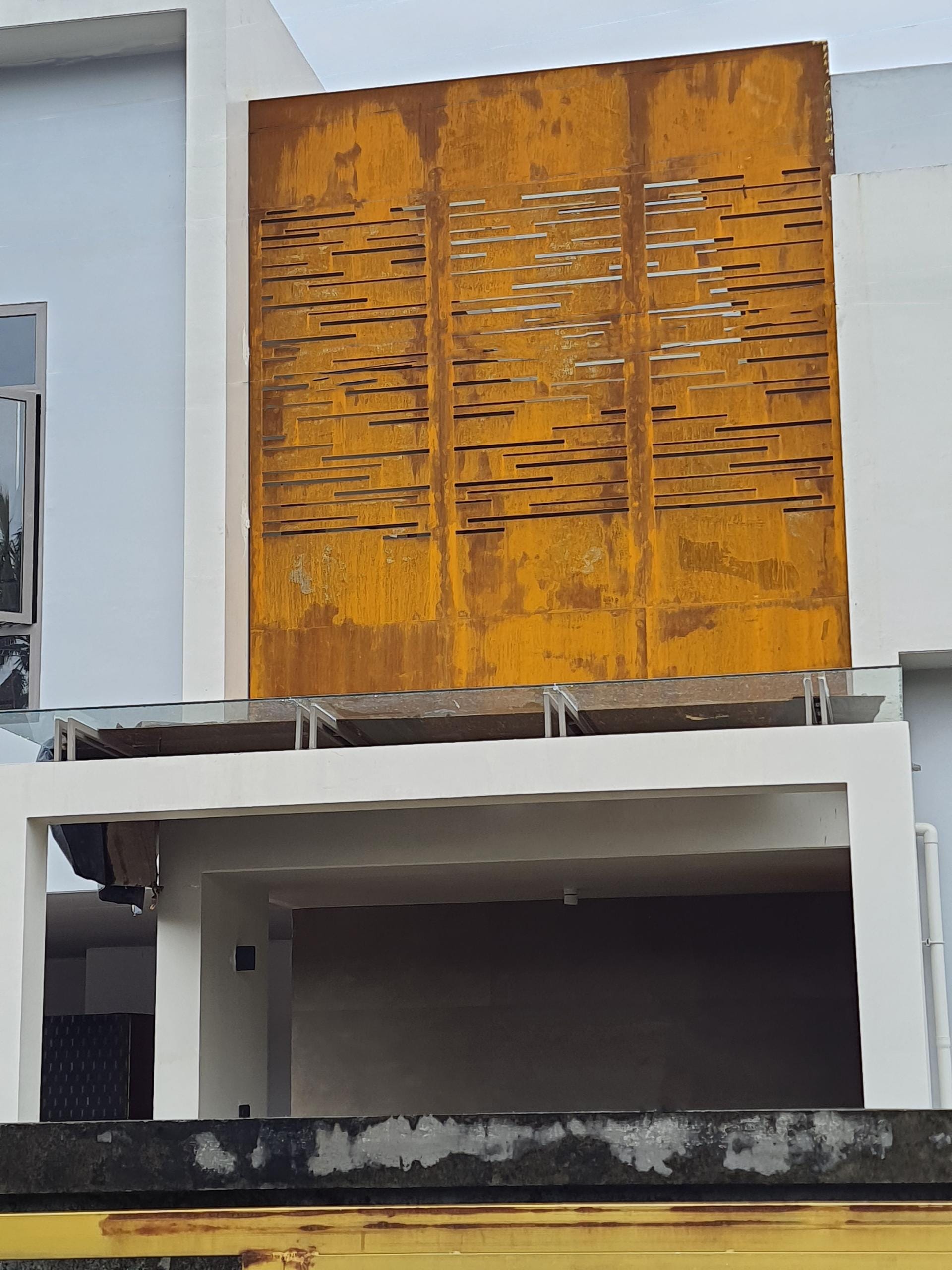
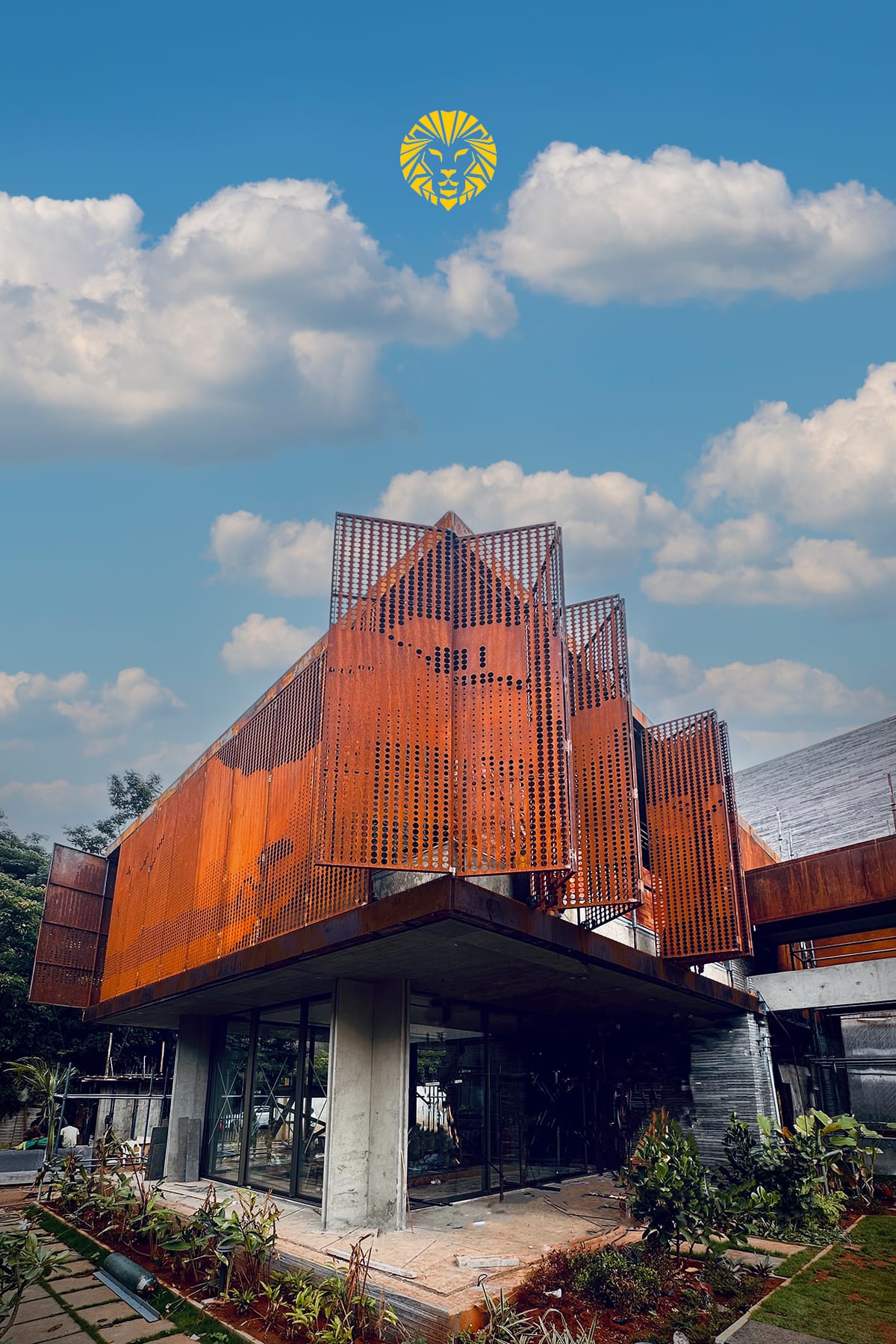
Steel does not always need to block everything behind it. Perforated corten panels allow filtered light to pass through, creating moving patterns throughout the day.
These are often used on balconies, stair enclosures or garden screens. In tighter urban plots, they provide privacy without closing off airflow or daylight.
The effect is subtle. Sunlight shifts. Shadows move. The façade feels alive rather than static.
Corten Steel Siding Panels in perforated form add function as well as texture.
Ribbed and Box Profiles for Depth
Large flat walls can appear severe, particularly on detached properties. Profiled panels solve that quietly.
Ribs and raised sections create shadow lines that change as the sun moves. The surface gains depth without needing additional ornament.
There is also a structural benefit. Profiled steel can offer greater rigidity, which may suit exposed sites. Appearance and performance work together rather than separately.
Getting the Details Right
Corten is often described as low maintenance, and broadly that is true. Once the protective layer stabilises, it acts as a barrier against deeper corrosion.
The early stages require some care though. Rainwater can carry rust-coloured residue while the surface is still developing. Without proper drainage and drip edges, nearby materials may stain.
Ventilation behind the panels also matters. Trapped moisture can affect how evenly the steel weathers. These are not cosmetic concerns. They shape how the façade will look years down the line.
It is also worth remembering that the bright orange tone seen soon after installation will not last. The colour deepens gradually into a darker brown. Designs should account for that shift from the start.
Conclusion
Most cladding aims to look unchanged a decade later. Corten takes a different approach. It accepts exposure and responds to it.
That slow transformation appeals to homeowners who value materials with presence. Corten Steel Siding Panels do not try to hide wear. They turn it into part of the story.
There is no universal layout that suits every property. The right choice depends on proportion, setting and intent. When scale, orientation and detailing are handled carefully, corten steel adds weight and identity to residential architecture without relying on trends.
Frequently Asked Questions
How long does it take for corten steel to stabilise?
Initial weathering begins quickly once exposed to air and moisture. Full stabilisation can take several months, depending on climate and rainfall.
Are Corten Steel Siding Panels suitable for Indian homes?
Yes. The material performs well in typical Indian conditions, provided installation allows for correct drainage and ventilation.
Will corten steel stain patios or walls nearby?
During the early weathering phase, runoff can leave rust-coloured marks. Careful detailing and controlled water flow reduce this risk.
Do Corten Steel Siding Panels need repainting?
No. The protective outer layer replaces the need for paint. Routine checks of fixings and joints are usually sufficient for long-term performance.

Leave a comment